PLANT A FUTURE
Initiatives
Frontline communities are pioneering powerful initiatives to grow the Great
Green Wall, one community at a time.
Here are some examples of some of the citizen powered solutions emerging.
Frontline communities are pioneering powerful initiatives to grow the Great
Green Wall, one community at a time.
Here are some examples of some of the citizen powered solutions emerging.
Niger
READ MORE
Niger
Sahara Sahel Foods is a pioneering social enterprise that processes and markets foods grown along the Great Green Wall from pristine, indigenous Wild Perennial Crops beneficial to the environment. In doing so, they create markets for the rural small-holder farmers, destigmatise these foods and bring them back into peoples’ food habits. Read more
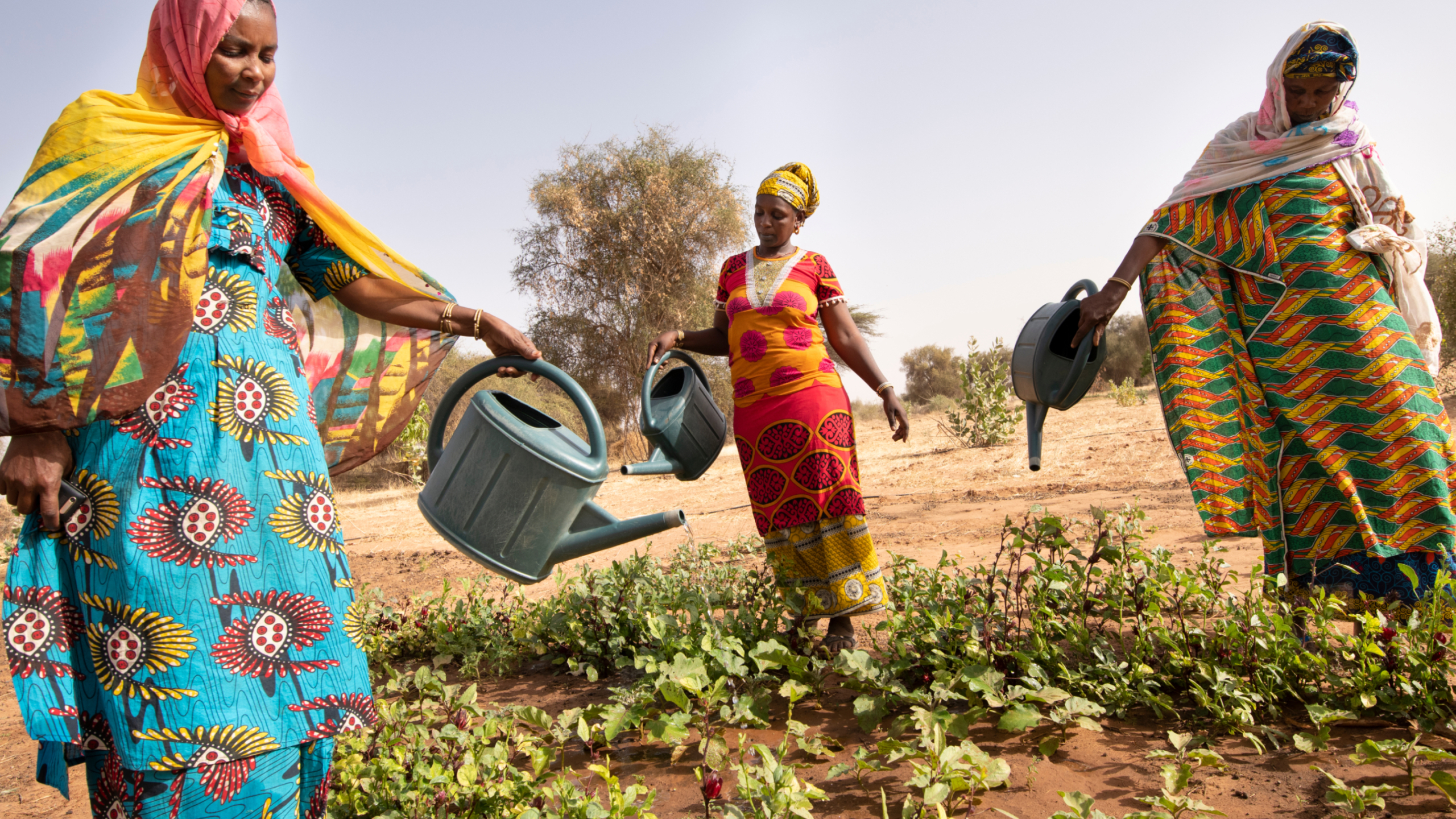
Labousitari is a local women’s movement in Niger to protect and restore local tree species in the fight against desertification and create animal fodder value chains to increase the income and create jobs for the surrounding populations from Tahoua to N’Guigimi. Read more
ProNat, a women-led social enterprise in Niger, provides local and regional markets with a healthy and balanced diet based on hive products and natural oils. Read more
Amman Immam’s Landscape Restoration for Ecosystem Recovery initiative is dedicated to the sustainable management and rehabilitation of wetlands and pasturelands, coupled with sustainable agroforestry in the Azawak, Niger and aims to empower and support Africa’s most vulnerable indigenous peoples. Read more
READ LESS
Chad
READ MORE
Chad
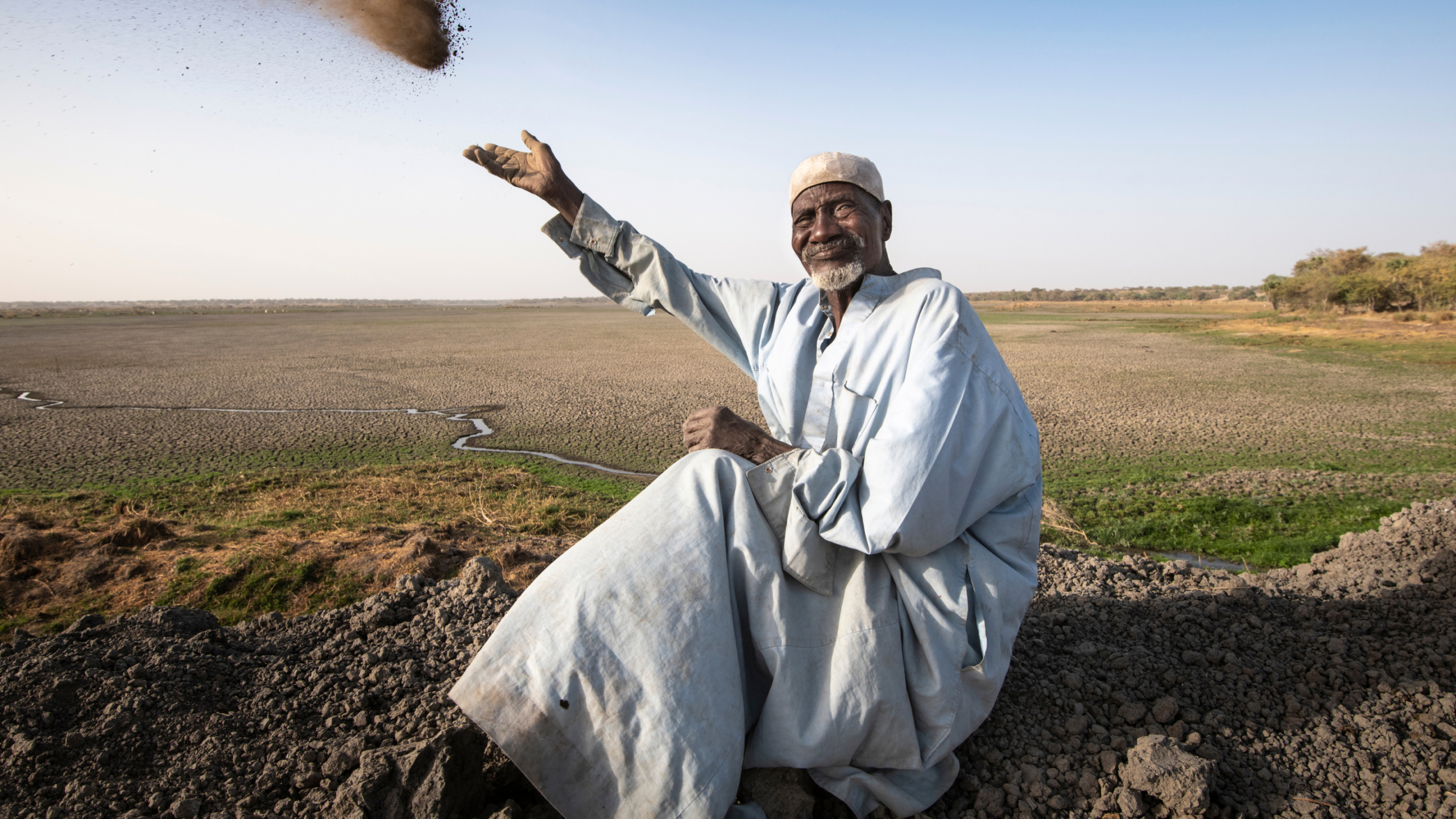
Partners for the Restoration of Lake Chad and the Sahel (PRELACHSAL) is a grassroots organisation working to rebuild Lake Chad to its past glory. This once mighty Lake has shrunk by an unprecedented 90% due to climate change in the last 50 years inflaming age-old tensions between farming and herding communities and leading to the rise of Boko Haram. PRELACHSAL works to ensure the sustainable management of the Lake Chad Basin to enable a peaceful coexistence of communities in the region. It aims to help eliminate natural resource based conflicts and create green jobs and employment opportunities.
Find out more
READ LESS
BURKINA FASO
READ MORE
BURKINA FASO
Tiipaalga works to address deforestation, which is particularly severe in Burkina Faso’s arid north, which receives little rainfall and is plagued by desertification. With 80% of domestic energy needs in the country fueled by firewood, deforestation rates are alarmingly high. One of Tipalga’s flagship projects – in partnership with the Livelihoods Fund – is working to equip 30,000 households with improved cook stoves that help reduce wood consumption by up to 60% compared to the traditional 3-stone Burkinabe stoves.
This in turn minimizes deforestation and brings additional benefits to local women, who now spend less time collecting firewood, helping to reduce health risks thanks to less smoke exposure. The project covers 9 communes and 222 villages in the provinces of Bam and Loroum in the country’s north and will eventually generate 689,000 tons of carbon credits and save 40,000 tons of wood at its completion.
Read more
READ LESS
GHANA
READ MORE
GHANA
Organization for Indigenous Initiatives and Sustainability (ORGIIS) is a non-governmental organization operating in Ghana’s Upper East, Northern, and Upper West Regions. ORGIIS works with local women-led cooperative groups in sourcing and harvesting emerging superfoods grown along the Great Green Wall, including Baobab, Moringa and Fonio.
ORGIIS works closely with the UK-based social enterprise Aduna in then agreeing fair pricing with local communities in harvesting and collecting baobab fruits from 1,530 producers from 44 communities, employing a further 293 women to transform the fruits into powder. With this model, the added-value from the processing stays within the community and the income goes directly into the hands of local women.
Read more
READ LESS
ETHIOPIA
Forested Foods is an agroforestry business that demonstrates biodiverse forests can be more lucrative conserved than destroyed. They are working across the supply chain in Ethiopia, from cultivation and aggregation to processing and packaging, as well as marketing and partnering with farmers living in forests to sustainably grow portfolios of forest-based products.
Read more
SENEGAL
Nébéday the Senegalese Association for Participatory Natural Resource Management works to support participatory management of natural resources by and for local populations. This includes the establishment of various value chains for natural resources including moringa leaf powder, monkey bread, bissap and honey.
Read more
NIGERIA
Herwa community Development Initiative is a nonprofit organization that promotes protection of natural forests in Nigeria, while enhancing the capacity of women and youth in nature and biodiversity protection.
Read more
Mauritania
In Mauritania, the Naforé Association works to protect the local environment by contributing to the improvement of the living conditions of rural communities through the implementation of natural resource conservation activities.
Read more
ZAMBIA
In Zambia, Save Environment and People Agency (SEPA) is a climate advocacy grassroots organisation led by Zulu Mailes, known as the ‘Wangari Mathai of the Zambia’. SEPA tackles a wide range of environmental and climate issues in the district of Zambezi, where they operate,, while avocating Government to mainstream climate considerations into development planning.
Read more
READ FRONTLINE STORIES